Tourism and wildlife protection share a relationship that is both powerful and delicate. When managed responsibly, tourism can become one of the strongest forces supporting conservation. When handled poorly, it can contribute to the very destruction it seeks to showcase. Understanding this balance is essential in a world where travel continues to grow and natural habitats face increasing pressure.
Wildlife tourism brings people closer to nature. It allows travellers to witness animals in their natural environments, creating a sense of wonder that often turns into concern and responsibility. Seeing a sea turtle glide through clear water or watching hatchlings make their first journey to the ocean can leave a lasting impression. These experiences foster emotional connections that statistics and reports rarely achieve.
This emotional connection often translates into financial support. Entrance fees, guided tours, and eco experiences generate revenue that can be directed toward conservation efforts. Many wildlife sanctuaries and protected areas rely on tourism to fund operations such as habitat preservation, research, and rescue programs. In coastal regions, turtle hatcheries and conservation centres depend heavily on visitors to sustain their work.
However, the benefits of tourism only emerge when it is guided by ethical practices. Unregulated tourism can disturb habitats, stress animals, and damage ecosystems. Crowded beaches, noise pollution, and careless human behaviour can disrupt nesting sites and migration patterns. Wildlife should never be treated as entertainment at the cost of its wellbeing. Responsible tourism places the needs of the animals first, ensuring that human presence does not interfere with natural behaviours.
Community involvement is another critical element. When local communities benefit from tourism, they become active participants in conservation. Jobs created through eco tourism provide alternatives to harmful practices such as poaching or habitat destruction. Communities that see value in protecting wildlife are more likely to safeguard it for future generations. This shared responsibility strengthens long term conservation outcomes.
Education also plays a central role. Visitors who learn about the challenges facing wildlife often leave with a deeper understanding of their own impact. Awareness leads to better choices, from reducing plastic use to supporting conservation initiatives. Tourism becomes not just a leisure activity, but a channel for spreading knowledge and encouraging global responsibility.
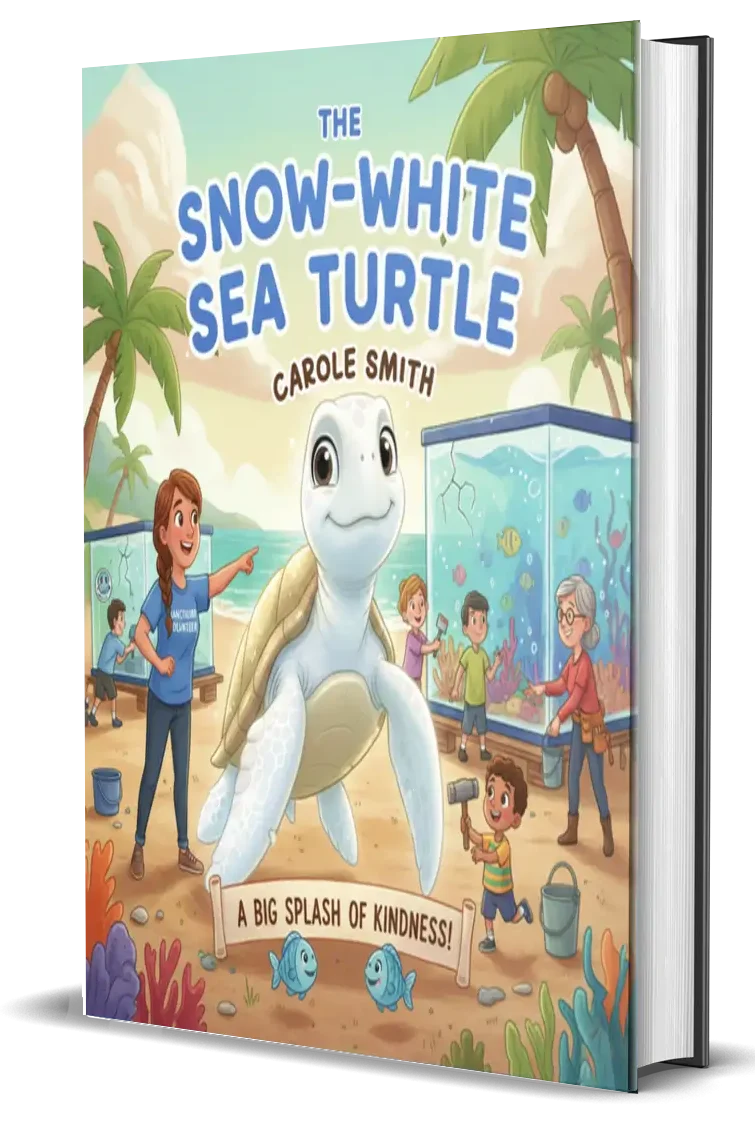
Stories can amplify this impact. The Snow-White Sea Turtle by Carole Smith captures the connection between people and wildlife through the journey of Carmen, a rare albino turtle living in a sanctuary. The story reflects real conservation efforts, showing how individuals, volunteers, and visitors contribute to protecting vulnerable species. It highlights the role of sanctuaries as safe spaces where wildlife can thrive despite external threats.
Through Carmen’s experiences, readers gain insight into the importance of care, protection, and human involvement in conservation. The presence of visitors at the sanctuary is not portrayed as intrusive, but as supportive, helping sustain the resources needed to care for the turtles. This mirrors the real world dynamic where responsible tourism directly contributes to wildlife protection.
For tourism to remain a positive force, travellers must make conscious choices. Supporting ethical organisations, respecting wildlife guidelines, and choosing eco-friendly experiences are essential steps. Even small actions, such as avoiding littering and respecting natural boundaries, can have a meaningful impact.
The connection between tourism and wildlife protection is ultimately shaped by intention. When tourism is rooted in respect, education, and sustainability, it becomes a tool for preservation rather than harm. It creates a cycle where awareness leads to action, and action leads to protection.
Wildlife depends on this balance. As more people seek to explore the natural world, the responsibility to protect it grows stronger. By embracing responsible tourism and supporting meaningful stories like The Snow-White Sea Turtle, travellers become part of a global effort to ensure that the beauty of wildlife endures for generations to come.